

Perhaps you've moved into a new home and decided to keep the old one.
Perhaps you've inherited a property.
Maybe you've purchased a property specifically as an investment.
Or perhaps you simply want your property to start contributing financially instead of standing empty.
Whatever your circumstances, the question is no longer simply whether someone might want to rent your property.
The answer involves more than placing an advertisement and choosing somebody who can pay a deposit.
You are entering an ongoing relationship with financial, legal and practical responsibilities.
Six steps between wanting to rent and having a functioning tenancy.
Each step prepares you for the next. Skipping a step today can create unnecessary problems later.
Know the numbers
Find out what your property could reasonably rent for and whether keeping it makes financial sense.
Prepare the property
Deal with defects, check applicable rules and make the property ready for someone to live in.
Market it properly
Present the property accurately to attract enquiries from people looking for that type of accommodation.
Assess applicants
Review relevant information before deciding who will occupy your property.
Document the tenancy
Finalise the lease, deposit arrangements, inspections, records and occupation procedures.
Manage what follows
Make sure somebody is responsible for the monthly administration and the inevitable practical issues.
How much rent can your property realistically achieve?
This is usually the first question an owner asks.
It's also one of the easiest questions to answer incorrectly.
Your property might have a monthly bond repayment of R11,000. That does not necessarily mean suitable tenants will pay R11,000 to rent it.
The market responds to the property being offered, competing properties and tenant demand — not simply what the owner needs to receive.
Rent received and money earned are not the same thing.
Imagine your property rents for R10,000 per month.
If it is occupied and the rent is paid for all twelve months, the gross annual rental is R120,000.
But now consider one month's vacancy.
That R110,000 is still before expenses such as rates, levies, insurance, maintenance, financing and property management.
And a property can require repairs even when no rent is being received.
Illustrative amounts only. This is a cash-flow example, not a calculation of taxable profit or an investment-return forecast.
Would you be comfortable moving into this property tomorrow?
Before publishing an advert, walk through the property as a prospective tenant would.
The small things matter.
A faulty lock, leaking tap, blocked drain or broken window can become a dispute shortly after occupation.
Getting the property ready first can make advertising more effective and handover less complicated.
Some promises should not be made until you've checked the rules.
If your property is in a sectional-title complex, homeowners' association or estate, obtain the applicable rules before marketing the property.
Those rules may affect:
Give relevant rules to the tenant and ensure the lease does not offer rights that the scheme cannot lawfully permit.
Also review your mortgage agreement and notify your insurer about tenant occupation where required. The insurance position for an owner-occupied home may differ from that of a rental property.
Your advertisement should attract the right enquiries — not simply the most enquiries.
Good rental marketing is not about writing the longest advertisement or promising features the property does not have.
It's about making the important information easy to understand.
Clear, accurate photographs
Correct location and property type
Bedrooms, bathrooms and parking
Monthly rental and deposit
Utility charges and exclusions
Occupation date and application process
Accurate information also helps reduce enquiries from people who cannot afford the rental, require unavailable features or cannot meet the occupation arrangements.
Someone wants the property. Should you approve them?
A prospective tenant attends the viewing.
They like the property.
They offer to pay the deposit immediately.
That may be encouraging, but it is not the same as having a properly assessed application.
Screening helps establish whether the proposed tenancy is financially realistic and whether important information can be verified.

Tenant selection must also be fair. Apply relevant, consistent criteria and handle applicants' personal information lawfully.
You can find your own tenant without having to assess them entirely on your own.
A+ Properties can assist with tenant screening, risk assessment, lease preparation or other agreed support, even when you sourced the applicant yourself.
Before handing over the keys, make sure the tenancy is properly documented.
The tenant has been approved.
The parties agree on the rental.
Everybody is excited about moving in.
This is precisely when it is important not to skip the administration.
Record the parties, rent, deposit, period, obligations, utilities and relevant lease terms.
Agree on the amount and ensure the funds are handled and accounted for correctly.
Record the property's condition with the tenant and preserve relevant evidence.
Clarify responsibility for water, electricity, refuse, sewerage and other applicable charges.
Provide applicable complex or estate rules before occupation.
Confirm occupation arrangements, keys, remotes, meter readings and access.
The rental agreement creates responsibilities for both parties.
The South African Rental Housing Act establishes important rights and obligations affecting residential tenancies.
Among other things, landlords must pay attention to how deposits are held, interest on deposits, inspection procedures, records and the tenant's right to lawful occupation.
A landlord may be entitled to recover unpaid rent, enforce lease obligations or pursue termination. But the process used must still comply with applicable law.
For a specific dispute involving cancellation, eviction, damages or significant arrears, appropriately qualified legal advice may be necessary.
You can consult the Rental Housing Act and relevant current legal guidance.
The tenant has moved in. Now the real management begins.
Finding and placing a tenant is an event.
Managing a tenancy is an ongoing responsibility.
Some months will be straightforward. Others may involve late payments, maintenance, disputes or difficult decisions.
There is more than one way to own a rental property.
Decide which responsibilities you want to retain and which you would prefer professional assistance with.
Ask yourself who will handle these situations.
None of these situations automatically requires a managing agent.
But every one requires someone to take responsibility.
A rental property needs financial breathing room.
Even a carefully selected tenant can encounter financial difficulties.
A properly maintained property can still require unexpected repairs.
And a property that has rented successfully for years can experience a vacancy.
Before becoming a landlord, think about what happens if the rental income is interrupted or the property suddenly needs a substantial repair.
Keep records of your rental income and expenses. Rental income may also have tax consequences, and professional tax advice may be appropriate for your circumstances.
What if renting is not the right decision?
Sometimes keeping the property and renting it out makes excellent sense.
Sometimes the ongoing financial obligations, maintenance requirements or personal circumstances make selling a more appropriate option.
Neither decision is automatically right for every property owner.
A+ Properties can help you consider both options rather than assuming that advertising the property is always the next step.
Are you ready to take the next step?
We don't believe a rental starts with an advertisement.
It starts with understanding the property, the owner and the desired outcome.
That means considering realistic pricing, preparation, tenant selection, proper documentation and ongoing management before simply trying to fill a vacancy.
The objective is a sustainable rental arrangement that makes sense for the owner and is managed fairly and lawfully.
Find more A+ Properties articles through Google.
If our property advice helps you make informed decisions, you can add A+ Properties to your Google Preferred Sources.
Google may then highlight relevant content from our website for you in supported Search features.
If the button does not appear, use the direct link:
Add A+ Properties on Google →Build your landlord knowledge.
Can You Rent Out Your House?
Understand the ownership, financial and legal questions worth checking first.
Why Finding the Right Tenant Matters
A quick placement and a successful tenancy are not necessarily the same thing.
Placement vs Property Management
Understand what you can delegate and which responsibilities remain yours.
Found a Tenant?
Explore screening and tenancy-support options when you've sourced your own applicant.
Should You Become a Landlord?
Consider whether keeping the property fits your finances and longer-term plans.
More Property Advice
Explore our landlord, seller, buyer and tenant information guides.
Start with the property and the plan — not just the advert.
A+ Properties can help you assess your property's rental potential and explore full management, tenant placement or selected landlord-support services.
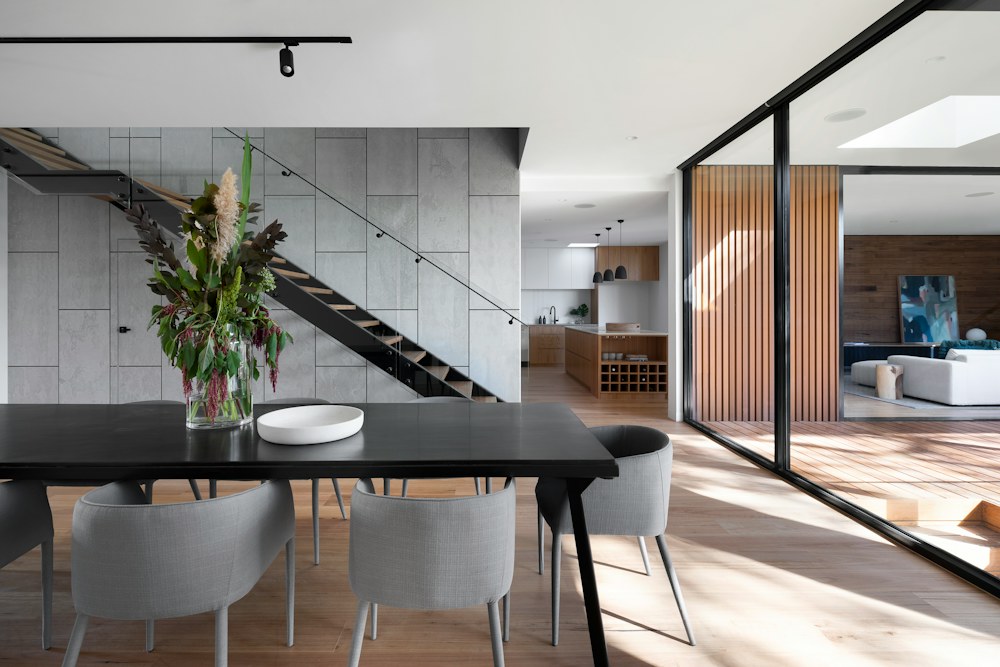
Photography is illustrative and does not represent current A+ Properties listings. Google's Preferred Sources feature depends on Google's availability and website-editor support for external JavaScript.