

A house can be ready to advertise without being ready to rent.
The walls are painted. The garden looks good. The photographs are taken.
Then the first prospective tenant asks:
Suddenly there are decisions to make, arrangements to confirm and documents to prepare.
That is why a landlord should get organised before the first viewing, rather than trying to build the rental process around whichever applicant arrives first.
The good news is that you don't need a complicated system to get started. You need the right information, a workable process and clarity about who is responsible for what.
The seven things every new landlord should have in place.
Use these as the framework for preparing your house and organising the tenancy.
A realistic rental value
Know what suitable tenants may be willing to pay for comparable accommodation.
A prepared house
Complete essential repairs and establish that the house is suitable for occupation.
Accurate advertising
Use clear photographs and disclose the important features, costs and conditions.
Tenant assessment
Have a consistent process for evaluating and verifying rental applications.
A proper lease
Record the agreement and establish lawful deposit and payment arrangements.
An entry inspection
Document the condition of the property with the tenant before occupation.
A management plan
Decide who handles payments, maintenance, communication and renewals.
First confirm that the property can be rented under the proposed arrangement.
Most homeowners can rent out their residential property, but there may be conditions or restrictions that need attention.
Check your home-loan agreement, insurance, authority to let, title conditions and any applicable scheme or estate rules.
If the property belongs to a company, trust, deceased estate or multiple owners, make sure the person signing the lease has the required authority.
You need a rental figure that makes sense in the actual market.
Before you decide on your asking rent, find out what comparable houses are achieving.
A landlord may know exactly what the bond, rates and other expenses cost each month. Unfortunately, those costs do not determine what prospective tenants will pay.
Rental value is influenced by features and conditions such as:
A rental amount is not a guaranteed monthly income.
Suppose your house could rent for R9,000 per month.
The full-year rental potential would be R108,000 if the house were occupied and the rent were received every month.
But one month of vacancy reduces the rental collected.
This is still before rates, levies, insurance, repairs, financing and management costs.
It is why a realistic rental assessment should be accompanied by a simple cash-flow calculation and a plan for unexpected expenses.
Figures are illustrative only and do not represent a forecast of actual rental income or investment profit.
A tenant should not discover all the maintenance problems after moving in.
Before advertising, walk through the house and look for problems that should be addressed.
A leaking tap, loose cupboard door or faulty lock might seem small to an owner familiar with the property.
To a tenant who has just moved in, those problems may create immediate dissatisfaction.
Attending to them early also allows you to take better photographs and present the house in its actual condition.

Check the rules that apply to your particular house.
Not every residential property is subject to the same restrictions.
A free-standing house, sectional-title townhouse, cluster home and property within a homeowners' association may have different requirements.
Before promising prospective tenants that pets are allowed, extra parking is available or particular activities are permitted, check the applicable documents.
Your advert should answer questions before somebody needs to ask them.
An advertisement saying only "House available in Boksburg, inbox me" may generate enquiries.
But it also makes prospective tenants work harder to determine whether the property suits their needs.
A useful advertisement provides enough information for an interested person to decide whether to proceed.
Suburb and location
Monthly rental amount
Deposit and relevant costs
Bedrooms and bathrooms
Parking and security
Occupation date
Utility arrangements
Clear, current photographs
Photographs should accurately show the rooms, layout, condition and important features. Do not rely on images that hide material defects or make the house appear substantially different from reality.
How to Attract Suitable TenantsYou need a reliable way to assess who will live in your house.
A prospective tenant may arrive at the viewing, love the property and offer to pay the deposit immediately.
That doesn't tell you everything you need to know.
Before approving an applicant, you should consider their relevant financial circumstances and verify important information.
The purpose is to make an informed rental decision, not to expect a perfect applicant or eliminate every possible future risk.
Confirm who is applying.
Verify relevant employment information where appropriate.
Review suitable evidence of income.
Consider income alongside existing financial commitments.
Consider relevant past rental conduct and references.
Obtain and use information on a lawful basis.
Screening must also be fair and consistent. Applicants' personal information should be collected and processed lawfully, including in accordance with POPIA and applicable credit-information requirements.
What documents should you have ready?
A landlord doesn't need to collect every imaginable document before advertising.
But the right information should be available when it becomes relevant.
You can find your own tenant and still ask for professional help with screening.
A+ Properties offers tenant screening and related support for landlords who have sourced their own applicants.
A proper lease must explain more than the monthly rental.
The applicant has been approved. The rent is agreed. The occupation date has been discussed.
Now those arrangements need to be properly recorded.
A clear written lease should set out the important terms and the rights and obligations of the parties.
The lease must also be consistent with applicable South African law. A clause does not become enforceable merely because both parties signed it.
Where will the tenant's deposit be kept?
The deposit is not simply extra income for the landlord.
South Africa's Rental Housing Act contains important rules concerning deposit investment, interest, inspections, lawful deductions and repayment.
Where a landlord personally holds the deposit, the landlord must comply with the applicable requirement to invest it in an interest-bearing account and account for the interest.
Where a property practitioner holds client money, additional trust-account and regulatory obligations may apply.
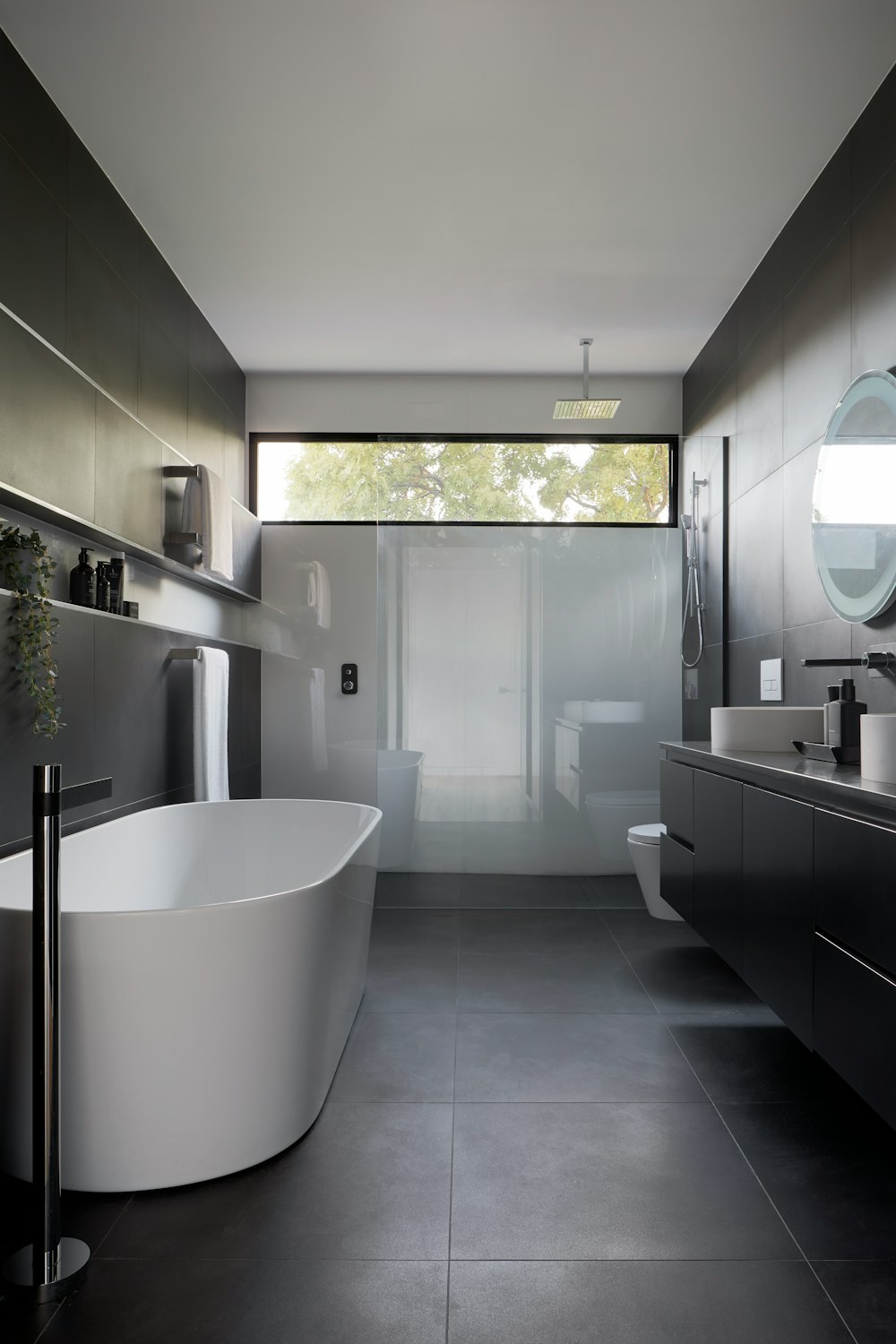
What condition was the house in when the tenant moved in?
This question becomes especially important when the tenant eventually moves out.
The incoming inspection creates a record of the property's condition at the beginning of the tenancy.
The inspection should be carried out jointly in accordance with the applicable legal requirements, with defects documented.
Who takes responsibility after the tenant receives the keys?
The advertising is finished. The lease is signed. The inspection is complete.
Now the ongoing tenancy begins.
Someone needs to monitor payments, maintain records, communicate with the tenant and respond to problems.
Self-management can work well for owners who have the time, systems and understanding required.
Other owners prefer professional assistance with tenant placement only or with the ongoing tenancy.
How much of the rental work do you want to handle yourself?
Before somebody moves in, can you tick these boxes?
A successful rental is prepared, not improvised.
We believe landlords should understand their options, their responsibilities and the likely financial outcome before committing to a tenancy.
That is why good rental management starts with realistic pricing, property preparation, appropriate screening, proper documentation and reliable administration.
Whether you choose to manage your property yourself or appoint A+ Properties, those fundamentals still matter.
Find more A+ Properties advice through Google.
We publish property information to help South African landlords, buyers, sellers and tenants make better-informed decisions.
You can add A+ Properties to your Google Preferred Sources so Google may highlight more of our relevant content for you in supported Search features.
If the button does not appear, use the direct link:
Add A+ Properties on Google →Build your landlord knowledge.
Can You Rent Out Your House?
Understand the ownership, contractual and financial checks before renting.
Want to Rent Out My Property?
Follow the rental journey from the first assessment to ongoing management.
Tenant Screening & Risk Assessment
Explore identity, income, affordability, credit and rental-history assessment.
Rental Deposits in South Africa
Learn about interest, inspections, deductions and lawful repayment.
Tenant Placement vs Property Management
Compare help with finding a tenant against ongoing rental administration.
Five Tenant-Screening Mistakes
Understand why proper verification matters before handing over the keys.
Found a Tenant?
Get professional screening and tenancy support for an applicant you found yourself.
More Property Advice
Explore practical A+ Properties guides for owners, landlords and tenants.
Start with the right preparations, not just the first advertisement.
A+ Properties can assist with rental assessments, marketing, tenant screening, placement and ongoing property management in Boksburg and surrounding areas.
A+ Properties provides rental assessments, tenant screening, placement, landlord support and management services within its normal service scope and subject to an agreed mandate.
Photographs are illustrative Unsplash images, not A+ Properties listings. The Google Preferred Sources button requires the website editor to allow Google's script. The direct link can be used if the interactive button is unavailable.