

One Cupboard.
R500 More Per Month.
That became R6,000 more rental income per year.
This isn't a theory about renovations. It is a real A+ Properties rental example showing what can happen when you inspect the property, understand what tenants expect and fix the right thing before marketing it.
Assess My Rental Property What Tenants Notice
The landlord had already advertised the property.
The asking rental was R3,500 per month. Instead of simply taking the listing and repeating the same advert, A+ Properties inspected the property first.
During that inspection, one practical weakness stood out: one of the bedrooms did not have a built-in cupboard.
Our recommendation was straightforward: install the cupboard, then reposition the property at R4,000 per month based on the rental market and comparable properties. The landlord agreed. The property was then rented within 10 days at the higher rental.
The extra R500 was not created by simply changing R3,500 to R4,000 on the advert. The property was improved and its rental positioning was reassessed. Both mattered.
This is what “adding value” actually looked like.
R3,500 / month
Property already advertised, but a bedroom lacked storage that tenants would reasonably expect.
Install a cupboard
A targeted, practical improvement rather than a large renovation for renovation's sake.
R4,000 / month
The repositioned property was successfully rented within 10 days at the higher monthly rental.
The lesson is not “spend money and charge more”.
That would be the wrong lesson.
A landlord can easily spend R30,000 improving things tenants barely value and discover that the market will only pay R200 more. Another property may need one relatively simple improvement to remove an obvious weakness.
The real question is: what is preventing this particular property from competing properly with the rentals around it?
Before spending money, make the improvement pass these tests.
Will tenants notice it?
If the improvement is invisible to your target tenant, its rental return may be limited.
Does the competition have it?
Compare the property with realistic alternatives at the rental level you want to achieve.
Can it reduce vacancy?
An upgrade can create value through stronger demand even when the rent itself barely changes.
Does the maths work?
Compare the cost with realistic extra rent, vacancy reduction, durability and ongoing maintenance.
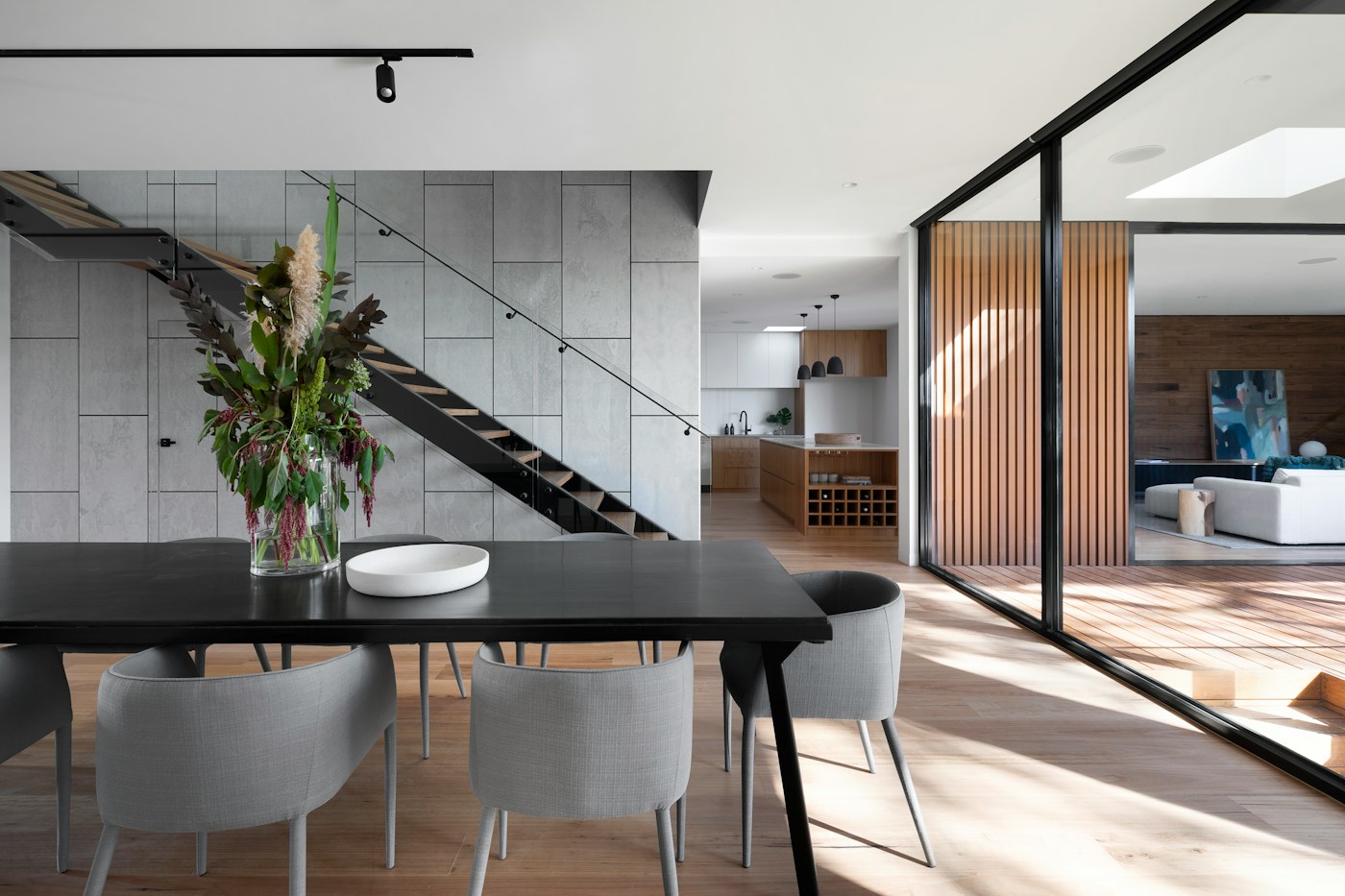
Fix what tenants see, use and compare.
Depending on the property and market, practical improvements worth assessing can include storage, fresh paint, damaged fittings, lighting, taps and sanitary fittings, minor repairs, garden presentation and a thorough clean.
Your related A+ guide on modern rentals makes the same broader point: neat, functional and move-in-ready properties can compete more strongly, but pricing still needs to remain realistic.
Read the Modern Rentals GuideR500 doesn't sound dramatic until you annualise it.
If the higher rental remains sustainable for three years, the gross difference would be R18,000 before considering future escalations, vacancies, costs, tax or other changes.
This case study describes one property and should not be treated as a promise that a particular improvement will produce the same increase elsewhere.
The market still gets the final vote.
Installing a cupboard did not automatically make this property worth R4,000. The higher rental was recommended alongside an assessment of current market demand and comparable rentals.
That distinction matters. An underpriced property can leave money on the table. An overpriced property can stand vacant long enough to wipe out the extra rental you hoped to achieve.
An extra R500 per month is R6,000 over a full year. But if chasing that R500 causes an otherwise avoidable extended vacancy, the calculation can quickly change. Price for the highest sustainable rental, not simply the highest advertised number.
R4,000 from the wrong tenant can be worth less than R3,500 from the right one.
Achieving a stronger rental only helps if the tenancy itself is sustainable. That is why pricing and presentation should be followed by proper applicant assessment rather than accepting the first person willing to pay.
A+ Properties' screening process can include identity, affordability, employment, credit, rental-history and reference checks. Screening reduces uncertainty but cannot guarantee future tenant performance.
Tenant Screening & Risk AssessmentMaximum sustainable return.
Rental level + tenant quality + vacancy control + sensible maintenance + good documentation.
The cheapest fee is not automatically the cheapest outcome.
Fees matter and landlords should understand exactly what they are paying for. But the comparison should not stop at the percentage or once-off placement cost.
Ask what the agency contributes to the result: rental pricing, property preparation, photographs, marketing, enquiry handling, viewings, applicant assessment, documentation and the speed at which problems are identified.
The next landlord guides to read.
What tenants notice and which improvements may help.
How to Get Good TenantsProperty condition, pricing and screening all influence applications.
The Cost of a Bad TenantHigher rent means little if the tenancy fails.
You Have a JobSee what ongoing rental management really involves.
Landlord CentreChoose full management, tenant placement or self-management support.
Property Knowledge CentreBrowse more A+ landlord and rental guides.
Should I improve my rental before advertising it?
Will improvements always increase my rental?
No. The result depends on the property, location, competing rentals, tenant demand and whether the improvement is something the market actually values.
What happened in this A+ Properties case?
The property had been advertised at R3,500 per month. A+ recommended installing a built-in cupboard in a bedroom and repositioning the rental at R4,000 based on the market. It was rented within 10 days at R4,000 per month.
Does that prove the cupboard alone was worth R500 per month?
No. The outcome followed both the physical improvement and a reassessment of the property's market rental. This is a single case study, not proof that the same improvement will produce the same increase elsewhere.
What improvements should I consider?
Start with defects or missing features tenants are likely to notice and compare your property with realistic competing rentals. Storage, paint, lighting, minor repairs, fittings, cleanliness and outdoor presentation may be worth assessing depending on the property.
Should I increase my rental after renovating?
Only if current market evidence supports the higher rental. Improvement cost does not determine market value; tenant demand and competing properties still matter.
Before you renovate your rental, ask what the tenant will actually pay for.
A+ Properties can assess your rental positioning, property presentation and tenant-placement options before you spend money or put the property on the market.
Request a Rental Assessment Call 011 383 3316This article describes an individual rental case and provides general property information only. It does not guarantee that any particular improvement, rental increase, tenant-placement period or financial result will be achieved on another property. Rental values and demand vary by location, property type, condition, timing and market circumstances.